
When a Scab Keeps Coming Back in the Same Spot
A Sore That Bleeds and Scabs Repeatedly Needs to Be Checked
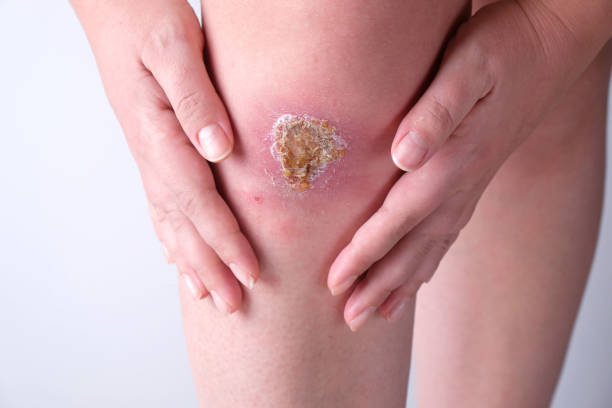

You get a small cut, and soon a scab forms over it. It heals and falls off. But after a few weeks, a crust is back in the familiar spot. Most people will brush this off, thinking they’ve probably scratched or bumped the injured area onto a hard surface, causing the wound to reopen. But to a dermatologist, a scab turning up in the exact spot twice can signal that something is interfering with the healing process. If a scab keeps coming back in the same spot, consider getting a skin cancer screening to rule out cancer.
IN THIS ARTICLE
- A Scab That Keeps Returning Usually Means It’s Not Fully Healing
- Common Reasons a Scab Comes Back in the Same Spot
- Warning Signs That Shouldn’t Be Ignored
- What a Dermatologist Will Look For
- When to Get a Recurring Scab Checked
- FAQs About Scabs That Won’t Heal
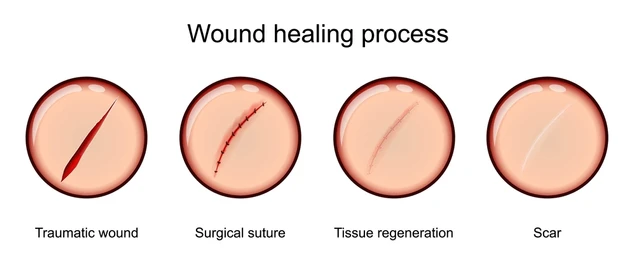
A scab is your body’s natural bandage. It protects the wound from infection as your immune system initiates skin repair in 2-5 days. New skin cells then grow and develop over the next three weeks or so to seal the wound. This is what the normal wound healing process looks like.
If you have a scab that won’t heal, it usually means an underlying issue is interrupting the healing process. In dermatology, doctors refer to this as disrupted re-epithelialization, meaning the skin doesn’t fully reset. The wound may close temporarily, but before the new skin cells mature, something breaks them down, causing the scab to reform. In short, the skin attempts to regenerate but gets stuck in a loop of an incomplete repair process.
A recurring scab in the same spot can happen due to the following reasons:
1. Skin Cancer
A sore that heals and comes back can be a sign of basal cell carcinoma or squamous cell carcinoma—common types of skin cancer. They often affect sun-touched areas, such as the face, head, scalp, back of the hand, and neck.
Signs of squamous cell carcinoma include a red, black, pink, or brown bump or nodule. It may look like a wart, but feels itchy and painful. Sometimes, a new sore grows on top of an old one, resulting in a stubborn spot that won’t heal.
For basal cell carcinoma, symptoms often include a brown, black, or blue lesion that bleeds, crusts, and opens again. Tiny spider-like vessels may be visible through the bump, and it may or may not have raised edges.
If you have a scab that keeps coming back, dermatology services, such as a skin exam, can help determine if it’s suspicious or benign.
2. Actinic Keratosis
Ultraviolet light from long-term sun exposure, tanning beds, and UV lamps damages the DNA of skin cells and increases the risk of actinic keratosis, a type of skin precancer. One symptom is a crusty spot on the skin that won’t go away. It often bleeds, swells, and feels itchy.
Actinic keratosis requires treatment to prevent it from progressing into squamous cell carcinoma. Typical options include chemical peel, laser therapy, and freezing the spots with liquid nitrogen.
3. Chronic Irritation or Repeated Trauma
A skin lesion that keeps scabbing is sometimes due to chronic irritation. Picking, scratching, and friction from clothing can hinder the growth of new tissue beneath the wound and prevent the skin from fully closing. Healing requires stability, so it’s important to protect the wound from irritation or trauma while it's remodeling.
4. Inflamed or Irritated Skin Lesions
Scabs can also recur if the affected area is constantly inflamed, which is common in people with eczema and dermatitis. Instead of regenerating, the skin becomes swollen and more painful. In this case, calming an active flare comes first before focusing on healing.
In general, a scab eventually falls off once the skin beneath the wound is repaired. If you have a crusting skin lesion that keeps coming back in the same area, it may be worth getting your skin checked.

When should you see a doctor for a scab that fails to heal? Here’s a quick guide to help you:
- The scab is growing in size or changing in appearance.
- The affected area is bleeding frequently.
- There’s increasing pain and tenderness in the wound.
- The edges are red or discolored.
- The wound is oozing with green or yellow fluid.
- There’s noticeable warmth in the injured area.
- If any of the symptoms above are accompanied by fever.
See your doctor as soon as possible if a non-healing sore doesn’t respond to basic wound care. Be particularly cautious about persistent lesions appearing in sun-exposed areas.
A dermatologist will perform a visual skin check to determine what interferes with healing, whether chronic inflammation, external irritation, or something more serious. They usually look for the following indicators:
- A spot that changes in size, texture, and color
- Symptoms of possible infection, including redness, swelling, or built-up pus under the scab
- Signs of ongoing irritation, such as itching, sensitivity, dryness, or scaly patches
If a visual exam isn’t enough to diagnose the problem, they may suggest a skin biopsy to rule out cancer. If a non-healing scab turns out to be skin cancer, treating it early with surgery can stop abnormal cell growth.
Altitude Dermatology offers Mohs Micrographic Surgery, an advanced procedure that removes cancerous tissue layer by layer. This precise method of eliminating cancer cells has a 99% cure rate for common skin cancers, including basal cell, squamous cell, and melanoma. It’s widely regarded as the gold standard in modern skin cancer treatment.
Scabs over minor wounds usually improve or heal completely within a few weeks. If you have one that crusts and peels repeatedly, it often means something is thwarting the healing process. Consider this your sign to seek professional help, especially if the affected area is on your face, neck, scalp, or the back of your hands. A dermatologist may recommend a skin biopsy if they’re unable to diagnose the problem with a visual exam alone.
If you have a spot that keeps scabbing, bleeding, or returning in the same area, schedule a skin evaluation with our dermatology team. Early evaluation helps rule out serious conditions and ensures proper treatment.
FAQs About Scabs That Won’t Heal
Cut That Won't Heal FAQs
Skin Biopsy Frequently Asked Questions
What to Know About Persistent Warts and Treatment
FAQs About Acne Scar Treatment
Stress-Induced Hair Loss FAQs
Should You Pop That Pimple FAQs
Mole Check 101 FAQs
When a Rash Won’t Go Away FAQs
Cystic vs. Hormonal Acne FAQs
Infection vs. Inflammation FAQs
Skincare Routine for Acne FAQs
Flaky Scalp FAQs
Hair Loss in Women FAQs
Foot Fungus Treatment FAQs
Breakthrough Wound Care Treatments FAQs
Mole Removal Procedures FAQs
Rashes in Infants and Children FAQs
Psoriasis vs. Eczema FAQs
Topical Chemotherapy FAQ
Diet & Psoriasis FAQ
Seasonal Changes FAQs
Skin Cancer Self-Check FAQs
Diet & Eczema FAQs
A persisting scab in the same area often occurs because of ongoing inflammation, chronic irritation, repeated trauma, or, in some cases, an underlying skin cancer.
Yes. Scabs that break down and restart instead of healing completely can be a symptom of early skin cancer.
It usually takes 2-4 weeks for the scab to fall off, but this depends on the size, depth, and location of the wound. If the crust lasts longer than a month and doesn’t improve with at-home wound care, consider visiting a dermatologist for a check-up.
A cancerous scab can look like a spot stuck in a cycle of healing and breaking down, a sign that the wound isn’t progressing through the normal stages of recovery. A normal scab shrinks steadily, but a suspicious one frequently bleeds, swells, or changes in size or appearance.
Yes, a scab that fails to heal could indicate a chronic infection, a precancerous lesion, or, in some cases, an early sign of cancer. Visit a dermatologist if a scab persists for more than a month despite basic care.
Actinic keratosis is a UV-induced precancer, triggered by overexposure to sunlight, tanning beds, and UV lamps. Rough, dry, and scaly spots appear in the affected area. They usually turn into crusty scabs that bleed, swell, and crack. If left untreated, it may develop into squamous cell carcinoma.