

What is a Skin Biopsy?
A skin biopsy is a straightforward diagnostic procedure in which a small sample of skin tissue is removed and sent to a pathology lab, where it’s examined under a microscope. That close-up view gives your dermatologist information that a visual exam alone cannot provide, and it’s often the only way to confirm or rule out certain skin conditions with confidence.
A dermatologist may recommend a biopsy for a number of reasons, including:
- A mole or growth that has changed in size, shape, or color
- A spot with irregular borders, uneven coloring, or asymmetry
- A persistent rash or skin irritation that hasn’t responded to treatment
- An open sore or wound that isn’t healing as expected
- A skin growth flagged during a routine skin cancer screening

Types of Skin Biopsy: Shave, Punch, and Excisional
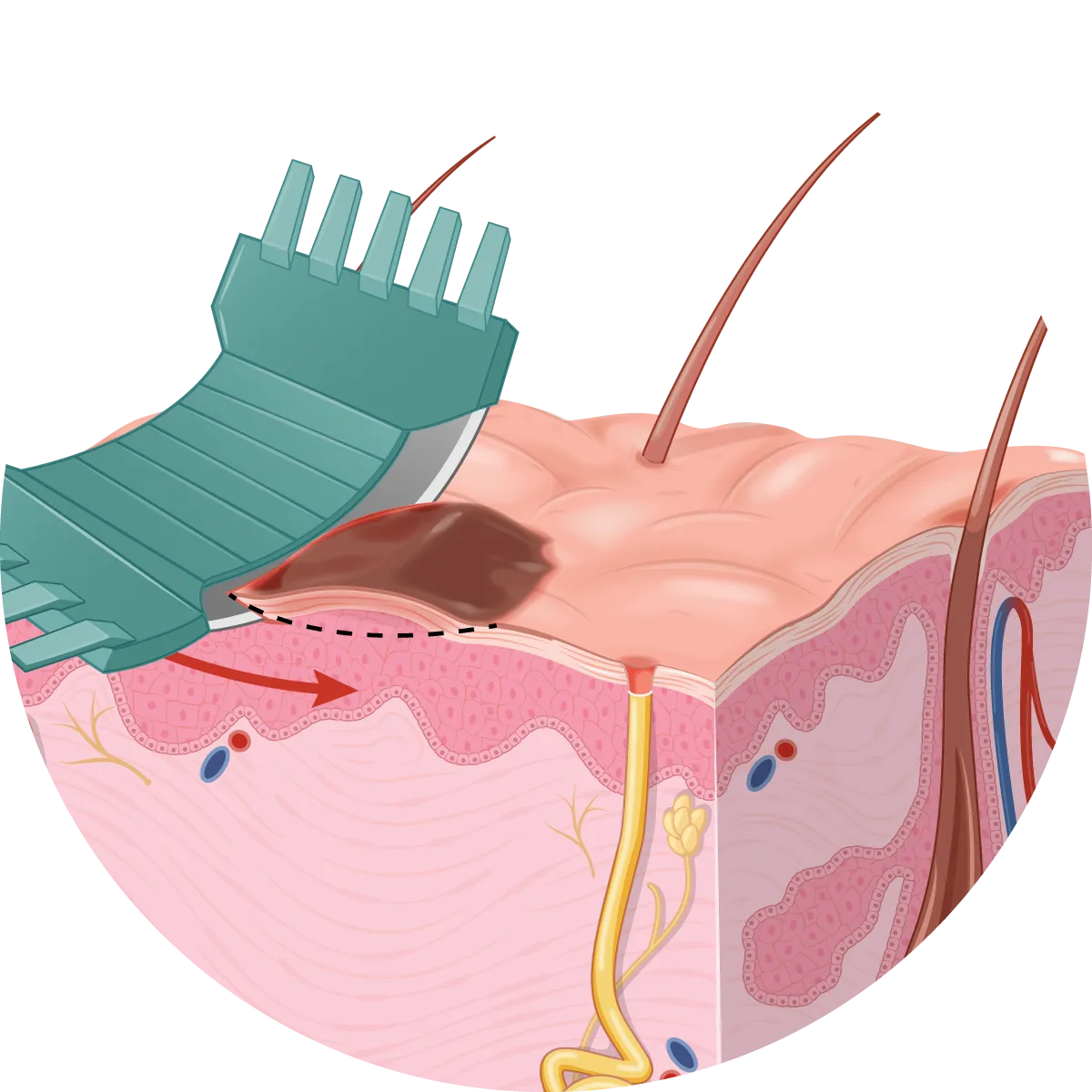
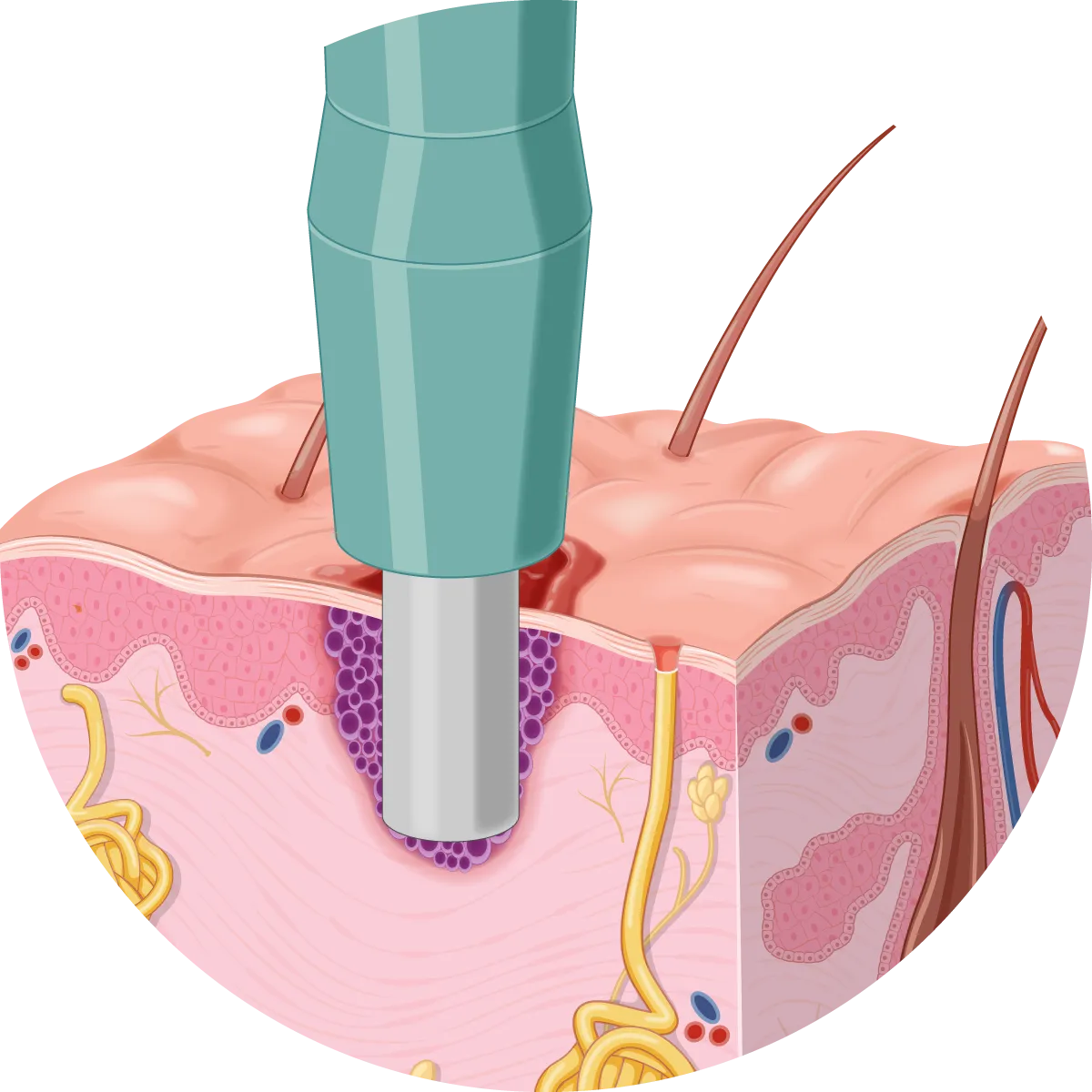
Punch Biopsy
A small circular tool removes a deeper core of skin tissue, reaching through multiple layers. This approach is used when the concern may extend further below the surface. Depending on the size, a stitch or two may be placed to close the site.

Excisional Biopsy
The entire lesion is removed using a scalpel, along with a small margin of surrounding skin. This method is typically used for smaller, well-defined growths. Stitches are generally required, and this type takes somewhat longer to heal.
What to Expect During Your Skin Biopsy Appointment
A skin biopsy is a quick, in-office procedure. Most are completed in 15 to 20 minutes. Here’s a general overview of what the appointment looks like:
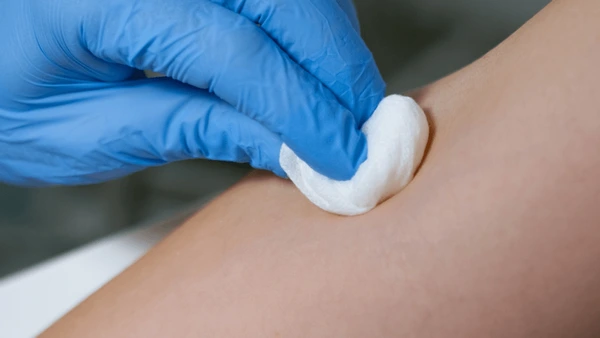
Preparation
The area around the lesion is cleaned with an antiseptic solution to prep the site.

Local Anesthetic
A small injection numbs the biopsy area. You may feel a brief sting or mild burning as the anesthetic is administered. This typically passes within seconds, and the area becomes numb shortly after.
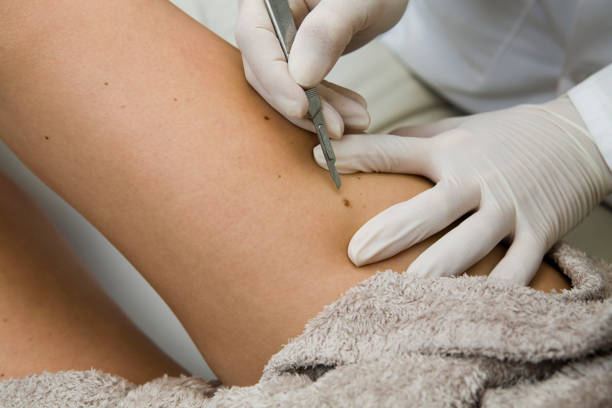
Sample Removal
Your provider removes the tissue sample using the appropriate technique. Because the area is numbed, most patients feel only mild pressure, if anything, during this step.

Wound Care
The site is bandaged, and you’ll receive aftercare instructions before you leave. Depending on the type of biopsy, stitches may be placed. Most patients are able to return to their normal activities the same day.In addition to medical treatments, we emphasize holistic care to improve your quality of life. This includes:
Skin Biopsy Results
Once your sample is collected, it’s sent to a pathology lab and examined under a microscope. Results typically return within one to two weeks, and your Altitude Dermatology provider will walk you through what they mean. If treatment is needed, options such as Mohs micrographic surgery, excision, or IG-SRT are all available within our practice, so you won’t need to be referred elsewhere.

Skin Biopsy at Altitude Dermatology: Expert Care Across Northern Colorado

Board-Certified Expertise
Dr. Baack’s training and certification mean that clinical decisions, including which biopsy technique is appropriate and how to interpret results, are grounded in the highest standard of dermatologic care.
Complete Treatment Capability
If your biopsy results require further care, Altitude Dermatology offers advanced treatment options in-house, including Mohs surgery for skin cancer, the gold standard for removing skin cancer while preserving healthy tissue.

An Experienced PA Team
Our physician assistants bring years of dermatology experience and work alongside Dr. Baack to provide thorough, attentive care at every visit.
Three Convenient Northern Colorado Locations
We see patients in Johnstown, Longmont, and Fort Collins, with most major insurance plans accepted, including Medicare.
Integrated Patient Care
As an iTUCHealth Partner with EPIC integration, our team has access to a connected care record, and patients can manage results and communication through My Health Connection.
