
Getting a Skin Biopsy? What to Expect Before, During, and After
Getting a Skin Biopsy? What to Expect Before, During, and After
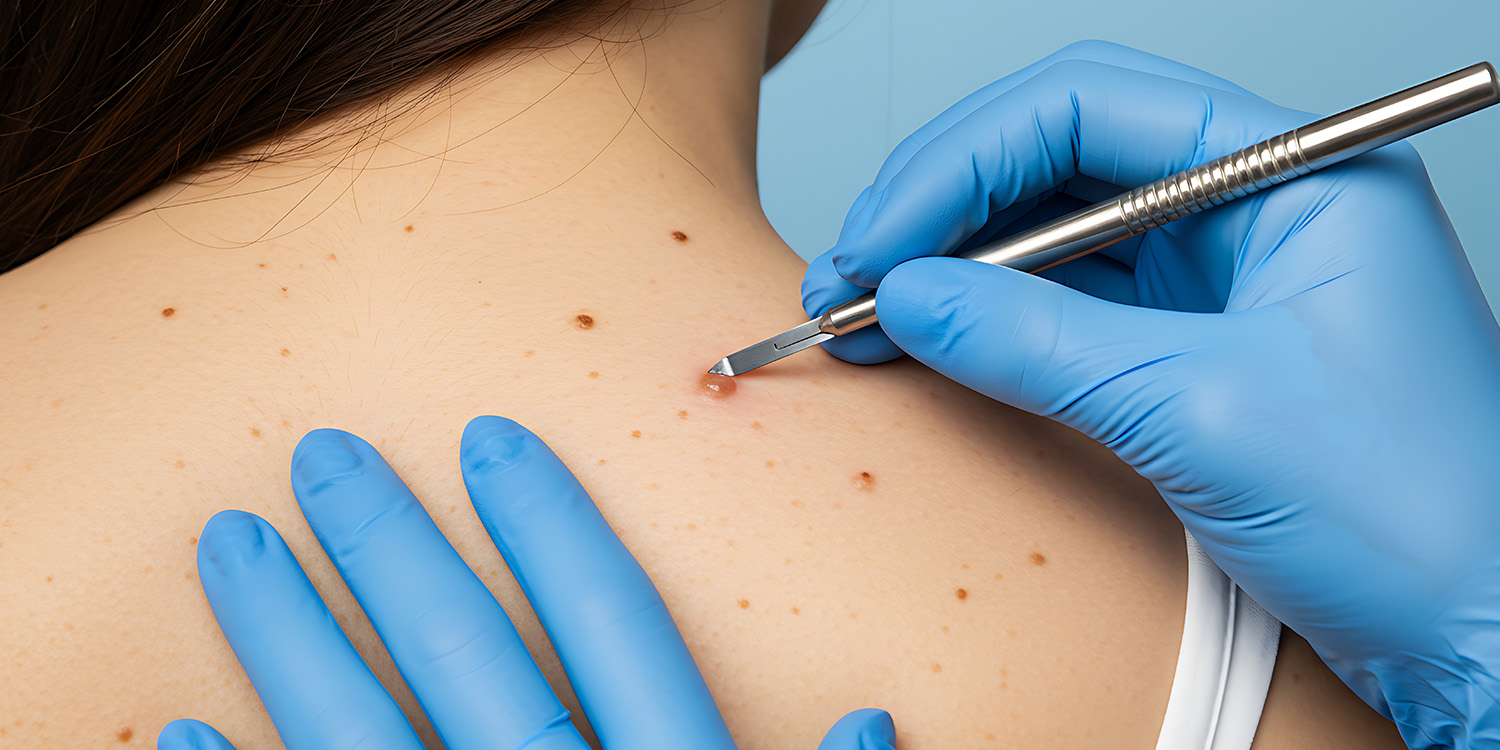

Most people don’t know what to expect during a skin biopsy, which triggers anxiety. Many patients worry about pain, scarring, and what the results might reveal. These reactions are normal, but sometimes they become reasons for someone to avoid the procedure, even if their doctor feels it’s appropriate. In reality, skin biopsies are as common as other in-clinic procedures done as a precaution to rule out concerns early. Reducing fear and uneasiness about a skin biopsy starts with understanding why dermatologists recommend it and knowing what to expect before, during, and after the procedure, including the healing timeline.
IN THIS ARTICLEWhy Dermatologists Recommend Skin Biopsies
- What Happens Before a Skin Biopsy
- Types of Skin Biopsies (and Why the Type Matters)
- Does a Skin Biopsy Hurt? What It Actually Feels Like
- After the Biopsy: Healing, Aftercare, and What’s Normal
- How Long Skin Biopsy Results Take (and Why It’s Not Instant)
- What Happens If Results Are Abnormal
- When to Contact a Dermatologist After a Biopsy
- Skin Biopsies Help Spot Skin Problems Early
- Skin Biopsy Frequently Asked Questions
One in five Americans is expected to be diagnosed with skin cancer by age 70. This is why getting a skin biopsy is important, especially for high-risk individuals. Your dermatologist may suggest it if they’re unable to accurately diagnose your skin issue by just looking at it. This diagnostic tool allows them to confirm whether a suspicious mole or abnormal skin growth is benign or cancerous.
During a skin biopsy, your doctor removes a small skin sample from the affected area and sends it to a lab for microscopic analysis. A skin biopsy may be done for the following reasons:
- Rule out skin cancer by checking whether skin cells are cancerous or benign
- Diagnose unclear rashes or skin lesions that can’t be diagnosed by sight alone
- Evaluate changing lumps or moles for removal, especially those that change in size, color, or texture
In short, skin biopsies help a dermatologist understand what’s happening on the skin at a cellular level. The results will help confirm their suspicions and guide their next steps in care.
A skin biopsy appointment is usually straightforward. First, your dermatologist inspects the spot under a bright light to check for unusual growths. If they find it suspicious, that’s when they’ll recommend a specific type of skin biopsy and explain why it’s medically necessary. They’ll prepare for the procedure by sanitizing the affected area and numbing it with a quick shot. You may feel a mild stinging sensation for a few seconds.
Once the area is numb, they’ll use a specialized tool to collect the skin sample. Overall, the procedure is quick and designed to be as comfortable as possible. In most cases, no special preparation is required on your end. You can usually go about your day after the procedure unless your doctor tells you otherwise.
%20(1).jpg)
There are different types of skin biopsies, depending on how much skin is removed, whether stitches are needed, the risk of scarring, and the level of aftercare required for wound healing.
- Shave biopsy: Removes a thin layer from the top of the skin. It’s typically quick and doesn’t require stitches.
- Punch biopsy: Uses a small round tool to take a deeper “plug” of the skin. Depending on the size, it may require stitches.
- Excisional biopsy: Removes the entire suspicious spot, including a small border around it. It usually requires stitches and may leave a scar
Dermatologists often recommend the first two types for surface-level growths. The decision between a shave vs punch biopsy depends on how deep the skin concern extends and the expected recovery time. Meanwhile, an excisional biopsy is done if an entire lump needs to be removed, along with a margin of normal surrounding tissue. Your skin specialist can explain which option makes the most sense for your situation.
During a skin biopsy, patients usually just feel pressure, not pain. A numbing step is added to the procedure to minimize any pain or discomfort. When the local anesthetic is injected, you’ll feel a brief stinging for a few seconds. Most patients consider this the most uncomfortable part. The rest of the procedure is nearly painless. It usually takes less than five minutes to collect the skin sample, followed by a few more minutes to clean and close the area. Most patients are in and out of the office in under an hour.
You may feel mild soreness in the affected area afterward. Your doctor will provide instructions to help the wound heal properly.
Depending on the size of the incision, you may need to avoid showering for a day or two, and follow these basic skin biopsy aftercare steps to lower the risk of infection or scarring:
- Clean the biopsy site twice daily with mild soap and water.
- Apply a thin layer of ointment (use what your dermatologist prescribes).
- Cover it with a bandage to protect it from rubbing and dirt.
Skin biopsy healing time depends on the type of biopsy and its location. Most wounds heal in 7-10 days, but deeper biopsies, especially on the legs and feet, tend to take several weeks to improve. There are typically no restrictions on activities after a shave or punch biopsy, unless you’re told otherwise.
Normal Healing vs. When to Contact the Office
As your wound heals, you may experience:
- Mild soreness
- Light bleeding that stops with pressure
- Itching
- Clear or pink fluid seeping from the area
- A small scab
These symptoms should improve over several days. Visit your dermatologist if you notice:
- Bleeding that won’t stop
- Redness or swelling that keeps getting worse
- Increased pain in the biopsy site
- Thick yellow or green drainage with a foul smell, indicating infection
- Fever or chills
If something feels concerning or unusual, it’s always appropriate to check in with your dermatologist for a skin cancer screening.
.jpg)
The typical waiting time for results is one to two weeks. Sometimes, it’s faster; other times, it can take longer than a month. Results aren’t instant because the sample has to be processed in the lab, then reviewed under the microscope by a pathologist who writes up the report.
If you haven’t heard from your doctor for more than two weeks since your mole biopsy, it doesn’t automatically signal bad news. Most of the time, it comes down to lab timing and workload. If more time has passed than expected and you still haven’t gotten a call, contact the clinic to check on your results.
Getting abnormal biopsy results doesn’t instantly indicate cancer. It means the pathologist has found cells that look different from normal skin under the microscope. Abnormal results are often due to benign conditions, inflammation, or noncancerous growths.
Depending on the findings, the next step could be:
- Monitoring the suspicious spot or area over time.
- Performing a second biopsy if the initial result is inconclusive.
- Recommend treatment options based on the diagnosis.
Your dermatologist will explain the results to you in plain terms and guide you through your next course of action. You can take this opportunity to ask questions. Follow-up care is important as it helps you and your doctor manage your skin health and plan any necessary treatment.
Call your doctor if you notice any of the following:
- Signs of infection after biopsy, such as pus or discolored drainage
- Excessive bleeding that doesn’t stop with gentle pressure
- Unexpected pain or swelling
Don’t hesitate to discuss your concerns about healing or scarring with your dermatologist. It may seem like a trivial concern, but it’s an important part of your comfort and confidence while healing.
Skin biopsies are a common part of dermatologic care, especially for people with persistent skin concerns. Doing it when your doctor suggests can help identify minor skin problems before they become more serious. After all, early evaluation leads to early diagnosis, which increases the chance of successful treatment.
If you notice an abnormal spot or lesion, visit Altitude Dermatology for a checkup. We can examine your skin, provide personalized guidance, and help you decide if a skin biopsy is necessary. Our experienced dermatologist can guide you through the procedure with minimal discomfort and attentive care. Schedule a skin exam today.
FAQs About Scabs That Won’t Heal
Cut That Won't Heal FAQs
Skin Biopsy Frequently Asked Questions
What to Know About Persistent Warts and Treatment
FAQs About Acne Scar Treatment
Stress-Induced Hair Loss FAQs
Should You Pop That Pimple FAQs
Mole Check 101 FAQs
When a Rash Won’t Go Away FAQs
Cystic vs. Hormonal Acne FAQs
Infection vs. Inflammation FAQs
Skincare Routine for Acne FAQs
Flaky Scalp FAQs
Hair Loss in Women FAQs
Foot Fungus Treatment FAQs
Breakthrough Wound Care Treatments FAQs
Mole Removal Procedures FAQs
Rashes in Infants and Children FAQs
Psoriasis vs. Eczema FAQs
Topical Chemotherapy FAQ
Diet & Psoriasis FAQ
Seasonal Changes FAQs
Skin Cancer Self-Check FAQs
Diet & Eczema FAQs
Yes, there is a risk of scarring with a skin biopsy since it involves cutting the skin. But with proper aftercare, you can minimize the scar’s appearance and make it less noticeable with time.
The healing period depends mainly on the location, depth, size, and type of the procedure. For shave or punch biopsies, expect a few days to three weeks for skin recovery. Since an excisional biopsy removes the entire spot and often requires stitches, it may take longer for the wound to close.
Dermatologists generally recommend keeping the biopsy site dry for 24-48 hours for faster wound healing. For this reason, you may have to delay showering. Your doctor will provide aftercare instructions, including when it’s safe to shower, so make sure you follow them.
You can expect skin biopsy results within a few days to several weeks, depending on the biopsy type and the lab’s volume. Feel free to call the clinic if you don’t hear back from your skin doctor after two weeks.
A skin biopsy is a quick procedure that usually takes only a few minutes. From the initial consultation to obtaining the skin sample, the entire visit typically lasts about 30 minutes to an hour.
Your doctor will inject a numbing shot before a skin biopsy, so there shouldn’t be any pain. However, you may feel a minor discomfort or pressure during the process