
Post-Acne Scars: What Really Works to Smooth and Fade Your Skin
Discover the most effective treatments for post-acne scars — from skincare to in-office procedures — to help you achieve smoother, clearer skin.


Post-Acne Scars: What Really Works to Smooth and Fade Your Skin
Dark marks and scars tend to stick around long after breakouts are gone, and finding the best post-acne scar treatment on your own is often a game of trial and error. You don’t know what works until you try one method and see real results. In some cases, at-home remedies make a difference, but certain situations call for professional treatments to get the results you want.
IN THIS ARTICLE
- Understanding Post-Acne Scars (and Why They Happen)
- At-Home and Topical Treatments That Help Fade Scars
- In-Office Treatments That Actually Work
- Setting Expectations for Real Results
- Prevention Still Matters
- When to See a Dermatology Provider
- Effective Professional Treatments for Deep Acne Scars
- FAQs About Acne Scar Treatment
Acne scars are a common skin problem, and understanding what triggers them is the first step toward preventing or treating them.
What Causes Acne Scars?
Post-acne scars are caused by deep inflammation from breakouts. A clogged pore triggers inflammation, which irritates the wall around it and causes swelling. When this ruptures, your body’s repair mechanisms kick in and try to rebuild the damaged skin by forming new collagen fibers. Sometimes, your skin doesn’t produce enough collagen to fill this defect, resulting in indented acne scars. Other times, it makes too much of what’s needed, creating raised scars. Post-acne scars can become permanent if left untreated.
The Difference Between Scars & Dark Marks
Many people get confused between acne scars and dark marks, leading them to use the wrong treatments at home. Acne scars create dips or bumps that change your skin’s texture. When you touch your face, the unevenness of the surface is obvious, especially in areas where scars have formed.
Meanwhile, dark marks or post-inflammatory hyperpigmentation don’t make your skin rough or bumpy. They’re flat, brown, red, or gray spots left behind by mild inflammation and typically fade with time and targeted treatments.
Acne scars are more challenging to treat because the damage is deeper. Women who experience hormonal fluctuations or pick at lesions are especially vulnerable, since prolonged inflammation increases the risk of lasting marks.
The Main Types of Acne Scars
There are two types of acne scars: atrophic and hypertrophic (keloid).
Atrophic scars appear indented due to the lack of collagen during repair. Dermatologists classify these scars into three types:
- Boxcar scars: Shallow but wide square-shaped dents on the skin
- Rolling acne scars: Wavy, uneven dips that make the skin look bumpy
- Ice pick scars: Narrow but deep holes in the face as if the skin has been poked with a pin
Surface scars may be treated with at-home care, but those that reach far into the skin can only improve with professional acne scar removal treatments, such as microneedling.
Keloid acne scars are raised, thick scars that form when your skin produces too much collagen during the repair process. Genetics can trigger this abnormal healing response, but people with darker skin tones are also more likely to develop this type of scar. That’s because their fibroblasts — the cells that produce collagen — are more active than those with fair skin.
Learning how to fade acne scars at home through effective skin care can empower you to start healing your skin right away.
Sun Protection is a Non-Negotiable

The sun has tanning effects. Going out without wearing sun protection can darken your acne scars, make them appear deeper, and slow your body’s natural healing process. A broad-spectrum SPF 30 or higher can help prevent dark marks while supporting tissue repair. Indoors or outdoors, always wear sunscreen.
Proven Ingredients to Help Fade Acne Scars
Several active ingredients can speed up the skin’s turnover process, helping your skin regenerate faster. Some of these include:
- Retinoids or retinols
- Azelaic acid
- Glycolic acid
- Hydroquinone
- Kojic acid
Most of these are available over the counter at lower concentrations in creams, gels, or serums.
What NOT To Do
Never pick, squeeze, or aggressively exfoliate acne scars at home. Doing so can damage your skin further or, worse, create new scars. Additionally, avoid layering multiple active ingredients on your skin, as this may cause irritation and slow healing. Try one ingredient at a time — for instance, retinol — use it for a few weeks, and see how your skin responds. If it works, continue using it. Otherwise, you may try another product.
Home and topical products can improve acne scars, but only to a point. In-clinic skin procedures can offer stronger, more targeted results.
Why Combination Therapies Deliver The Best Results
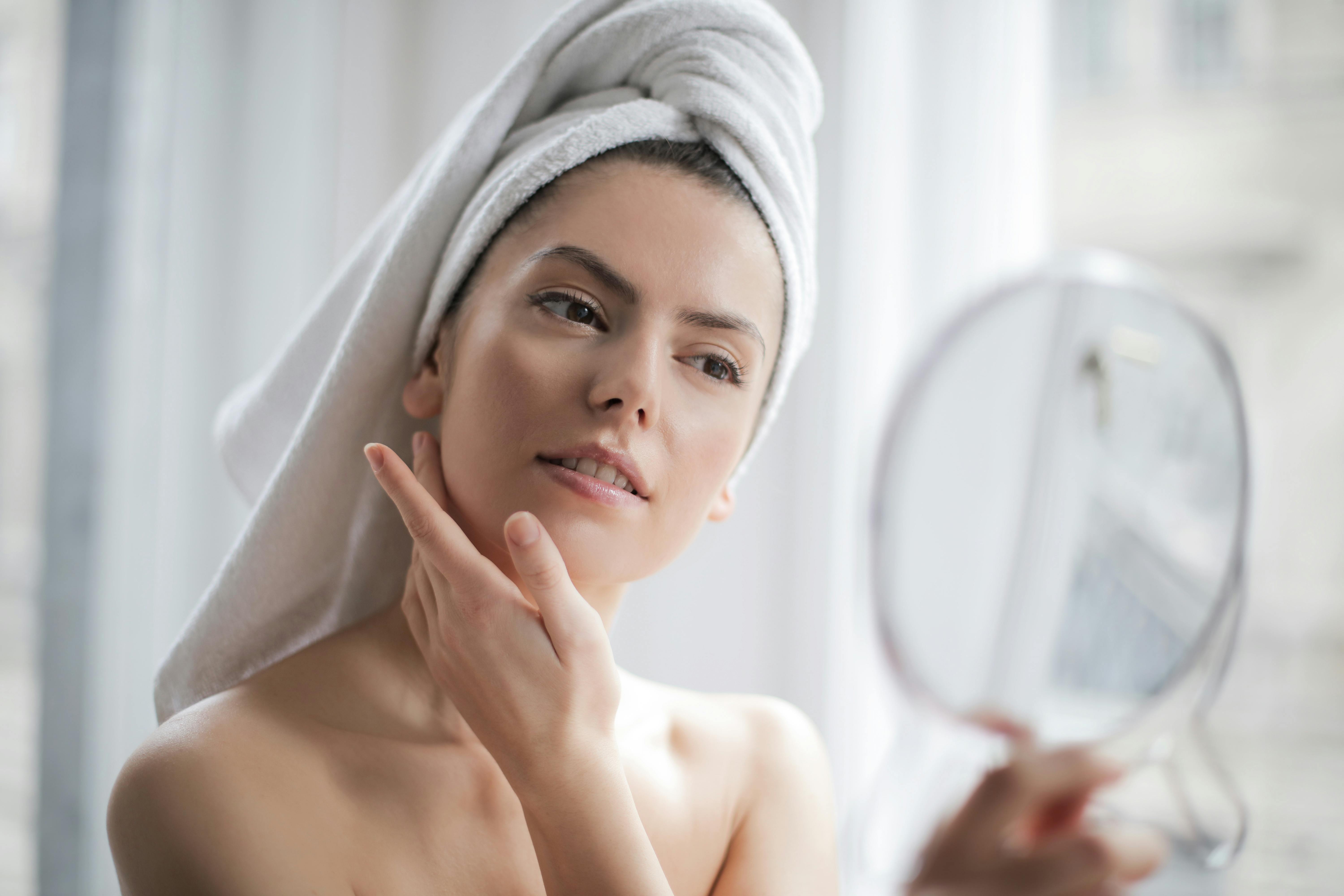
At-home products can improve discoloration, but clinical skin procedures reach deep layers of the skin to remodel scar tissue — something topical skin lightening products can’t do. Therefore, combining two or more treatments, such as retinol creams, microneedling, and filler for acne scars, can target both surface and deep skin marks to deliver the best results. Most people notice a significant improvement in their skin texture with a multiple approach.
Treatments can last 6 months for atrophic acne scars and 17 months for mild-to-severe rolling acne scars. (Qoreishi et al., 2025) Setting realistic expectations helps you stay committed long enough to see the results you want.
Scars Can Fade, But Not Vanish Overnight
No single product or in-clinic procedure can erase acne scars overnight. It may take two to three months before your skin shows subtle changes, such as a slightly smoother contour or less discoloration. Deep scars may still look the same after a few months, but that doesn’t mean the treatment isn't effective.
Multiple Sessions = Lasting REsults
A minimum of 4-6 sessions of microneedling for acne scars is required to see changes in the skin’s texture (Singh et al., 2016). Collagen remodeling happens layer by layer, so it takes multiple sessions to trigger skin repair. Deep scars often require a combination of acne scar resurfacing, microneedling, and chemical peels to achieve real structural changes.
Cost & Downtime Considerations
Acne scar treatments can be expensive, but you can space out sessions and book one procedure every 4-8 weeks. This will help you spread costs over time. Some clinics offer bundle deals, such as acne scar laser and subcision, or multiple microneedling sessions, to help reduce costs for patients.
Deep scar procedures often come with a recovery window, which varies from a few days to weeks.
- Microneedling: Up to 5 days of redness and swelling
- Subcision: 1 to 2 weeks of pain, swelling, and bruising
- Chemical peels (TCA, Jessner's, glycolic acid, phenol): 3 to 21 days of redness and scaling, depending on the depth (light, medium, deep) peel.
- Fractional laser: One week of redness and swelling
- Steroid injections: virtually no downtime — you can resume activities on the same day
Scars develop from deep inflammation and pimples you picked at. Therefore, the goal is to control breakouts and prevent further irritation. These simple habits can help.
- Treat acne early: Use over-the-counter products containing salicylic acid or benzoyl peroxide to treat clogged pores.
- Wear sunscreen daily: Choose a fragrance-free and hypoallergenic product with SPF 30 or higher.
- Keep your hands off your face: Don’t pick, squeeze, or pop blemishes.
- Be consistent with your skincare routine: Use whatever products work for your skin type to wash your face twice daily.
Following these tips can help minimize future breakouts and new scars.
A skin expert can create a personalized acne treatment plan based on the type of scars you have. Seek professional help if:
- You have icepick scars.
- You’ve tried topical solutions for months, but there's been little improvement.
- You continue to have breakouts, and new scars are accumulating.
- Your scars are impacting your mental health or quality of life.
Seeing a skin specialist can save you time and money from unnecessary treatments that don’t work.
Topical products can improve discoloration, but clinical skin procedures can lift depressed scars. If you’re looking for acne scar treatment in Colorado, Altitude Dermatology provides customized, dermatologist-led solutions that can improve your skin issues and help you feel confident again. Ready to smooth and restore your skin’s texture? Book an acne scar consultation with a licensed dermatology provider near you.
FAQs About Scabs That Won’t Heal
Cut That Won't Heal FAQs
Skin Biopsy Frequently Asked Questions
What to Know About Persistent Warts and Treatment
FAQs About Acne Scar Treatment
Stress-Induced Hair Loss FAQs
Should You Pop That Pimple FAQs
Mole Check 101 FAQs
When a Rash Won’t Go Away FAQs
Cystic vs. Hormonal Acne FAQs
Infection vs. Inflammation FAQs
Skincare Routine for Acne FAQs
Flaky Scalp FAQs
Hair Loss in Women FAQs
Foot Fungus Treatment FAQs
Breakthrough Wound Care Treatments FAQs
Mole Removal Procedures FAQs
Rashes in Infants and Children FAQs
Psoriasis vs. Eczema FAQs
Topical Chemotherapy FAQ
Diet & Psoriasis FAQ
Seasonal Changes FAQs
Skin Cancer Self-Check FAQs
Diet & Eczema FAQs
The best treatment for acne scars depends on the type of scars you have. Microneedling and chemical peels work for rolling and box scars. TCA CROSS and fractional laser can help lift deep scars.
Use products with brightening ingredients, such as retinols, hydroquinone, vitamin C, and niacinamide. Don’t forget to wear an SPF 30 or higher sunscreen to protect your skin.
Mild acne scars can fade over time, especially if you maintain a good skincare routine. However, depressed scars require professional treatment to smooth the surface.
Dark marks are flat skin discolorations that appear after breakouts heal. Meanwhile, acne scars are often caused by severe acne, which damages your skin’s collagen.
Yes, laser resurfacing can be effective for shallow-to-medium-depth rolling and boxcar scars. You’ll likely need multiple sessions to see improvements in the appearance of the scars.